


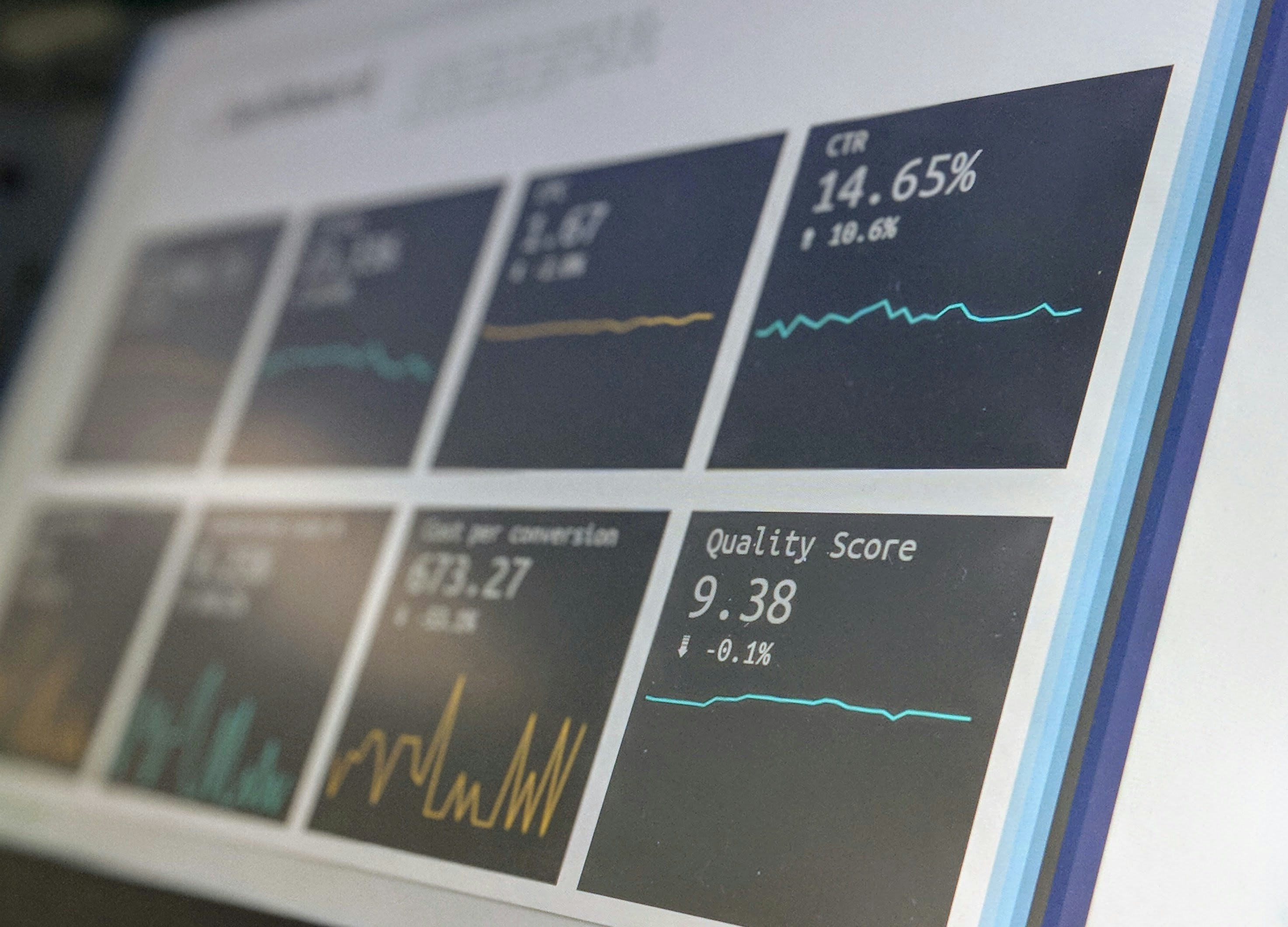

For many small and medium-sized businesses, a website is still treated like a digital shop window. It explains who you are, lists what you do and gives people a way to get in touch.
But a good website should do more than sit there.
Used properly, it can become one of the most valuable lead-generation tools in your business. It can attract the right visitors, answer their questions and encourage them to take the next step — whether that means requesting a quote, booking a call, downloading a guide or signing up to hear more.
The aim is simple: turn interest into action.
Here’s how SMEs can make their website work harder.

Make the next step obvious
One of the biggest mistakes businesses make is assuming visitors will know what to do next.
Every important page on your website should have a clear call to action. This could be “Request a quote”, “Book a free consultation”, “Download our guide” or “Speak to the team”.
The wording should be simple and direct. Avoid vague buttons such as “Submit” or “Click here” where possible. Instead, tell the visitor exactly what they are getting.
For example, “Get a free quote” feels clearer than “Submit”. “Book a 15-minute call” feels more useful than “Contact us”.
Small changes can matter. HubSpot puts the average landing page conversion rate across all industries at 5.89%, while 10% is described as a good benchmark. Most SME websites will not reach that overnight, but it shows why every page should have a clear job.
Create pages for specific services
Not every visitor should land on your homepage.
If someone is searching for a particular service, clicking through from a social post or arriving from an advert, they should be taken to a page that matches what they are looking for.
A strong service page should focus on one clear topic. For example, an accountancy firm could create separate pages for limited company accounts, self-assessment tax returns and payroll support. Each page can then answer the specific questions that customer is likely to have.
This helps visitors understand your offer more quickly. It also makes it easier to track which services are generating interest, enquiries and revenue.
For SMEs, this does not need to be complicated. It simply means creating pages that explain what you offer, who it is for and what the visitor should do next.
Keep forms simple
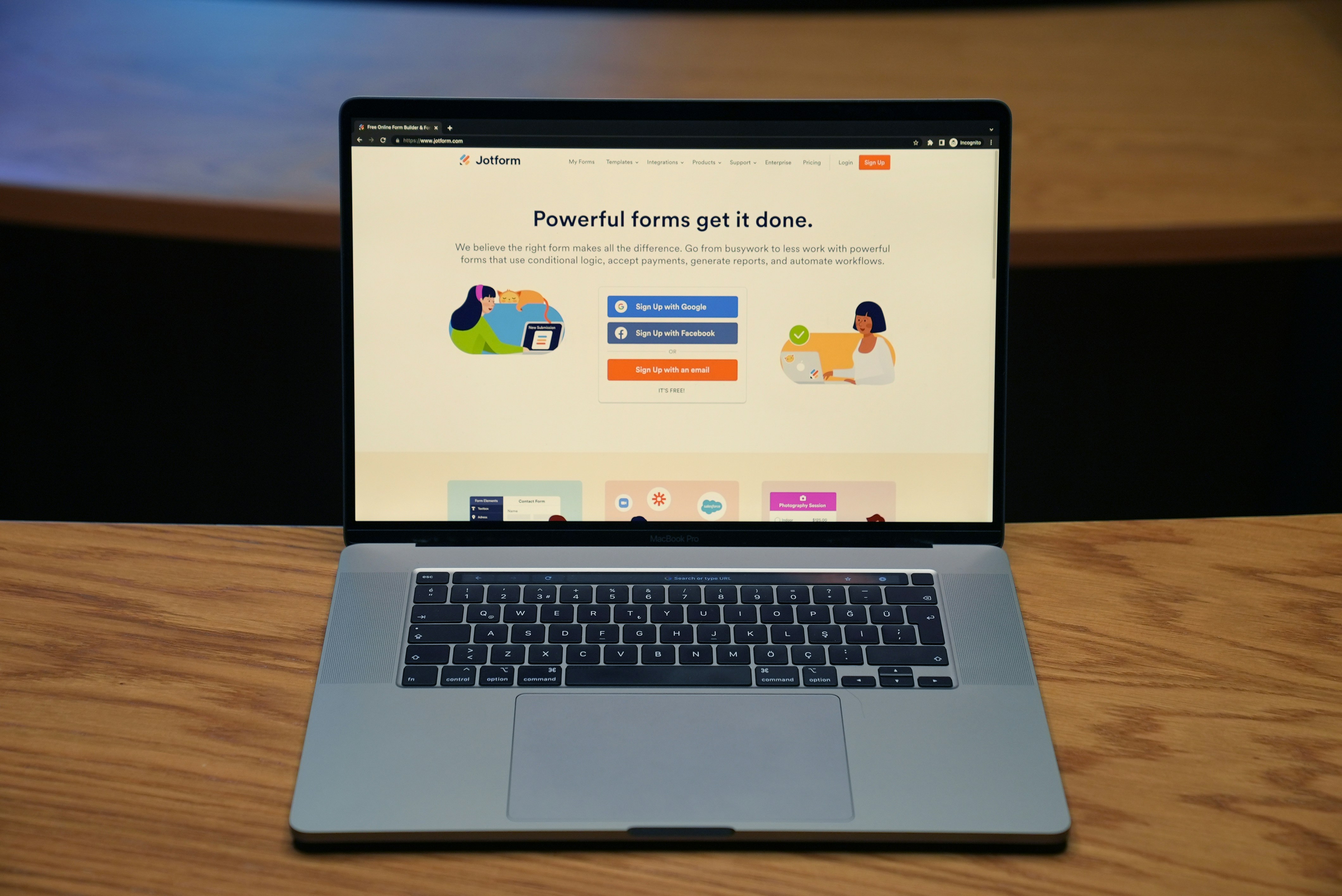
Forms are one of the easiest ways to collect enquiries, but they need to be easy to complete.
If you ask for too much information too soon, people may leave before finishing the form. In most cases, a name, email address, phone number and short message box is enough to start the conversation.
HubSpot reports that 30.7% of marketers say four questions is the ideal number on a landing page form to get the best conversions. That does not mean every SME form must have exactly four fields, but it is a useful reminder to remove anything that is not essential.
A good form should feel like a simple next step, not a commitment.
Reduce friction wherever possible
Lead generation is often about making the journey easier.
If a visitor has to search for your phone number, wait for a slow page to load or complete a long form before they can speak to you, some will leave.
This is especially important on mobile. Research shared by Google found that as page load time goes from one second to three seconds, the probability of bounce increases by 32%. From one second to five seconds, it increases by 90%.
The lesson for SMEs is clear: speed, clarity and convenience all affect whether someone enquires.
For ecommerce businesses, payment options can also make a difference. In a previous SME Online article, BigCommerce was cited as finding that offering Apple Pay increased mobile conversions by between 10–20%. The principle applies beyond retail: the easier you make the action, the more likely people are to complete it.
Offer something useful
Not every visitor will be ready to buy straight away.
Some people will still be researching. Others may be comparing suppliers, working out costs or trying to understand what they need.
This is where useful content can help.
A downloadable guide, checklist, pricing explainer or short email series can encourage visitors to share their details before they are ready for a full sales conversation.
For example, a marketing agency could offer a small business SEO checklist. A financial adviser could offer a guide to preparing for business funding. An HR consultant could offer an employment law checklist. A builder could offer a home renovation planning guide.
This gives people something genuinely helpful, while giving your business a reason to follow up.
Nurture leads after they enquire
Generating the lead is only the first step.
If someone fills in a form, downloads a guide or requests a call, respond as quickly as possible. A slow reply can mean the customer has already moved on to someone else.
You do not need an expensive system to begin. A simple spreadsheet, CRM or email platform can help keep enquiries organised. Tools such as Mailchimp, HubSpot and Google Analytics have already been highlighted by SME Online as useful options for online marketing, email activity and performance tracking.
The important thing is to have a process: record the enquiry, follow up, and keep the conversation moving.
Track what is working
A lead-generation website should be measured.
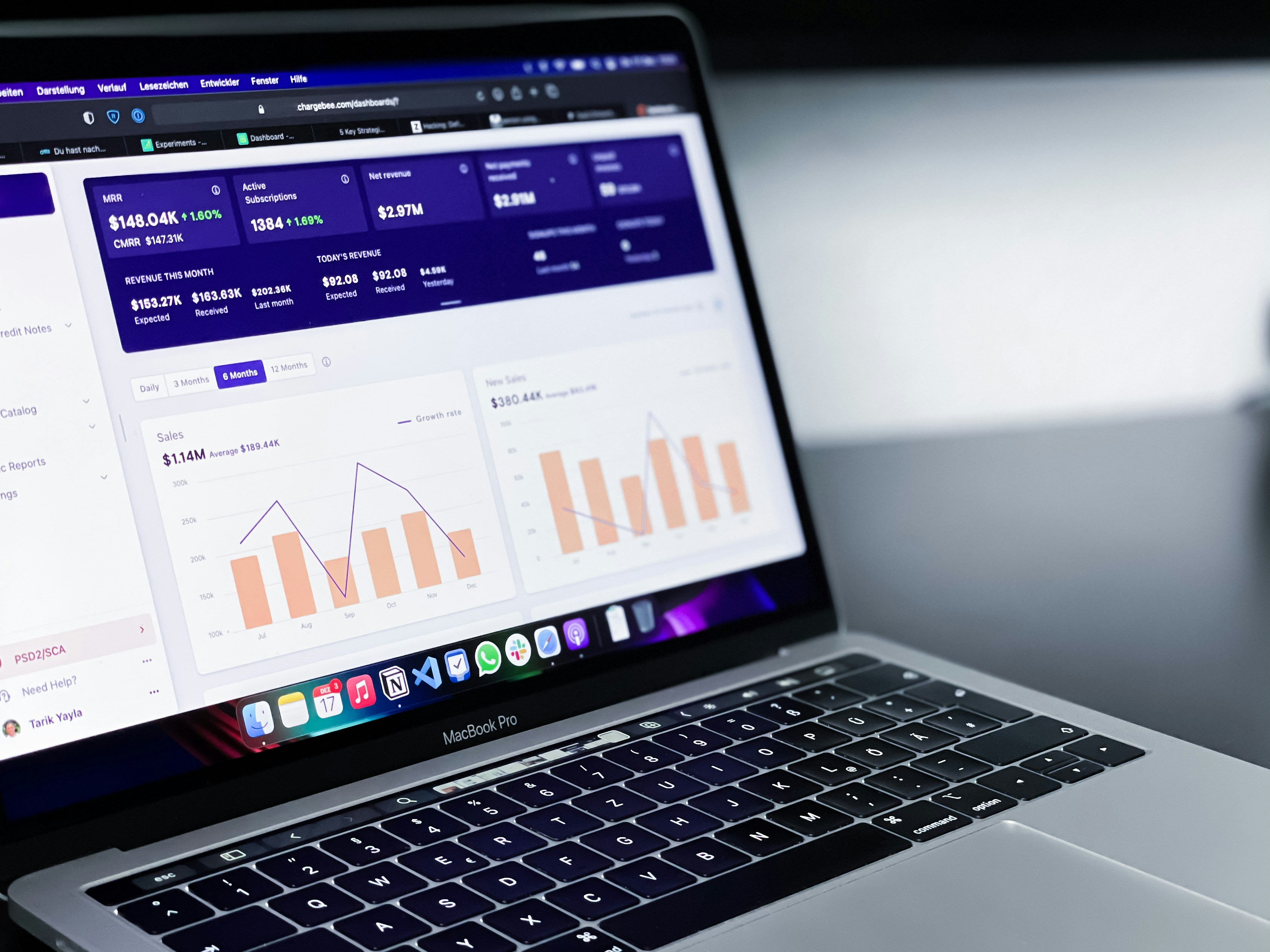
Without data, it is difficult to know where visitors are coming from, which pages are performing well and where people are dropping off.
At a basic level, SMEs should track website visits, form submissions, phone number clicks, email clicks, quote requests, newsletter sign-ups, popular pages and traffic sources.
This gives you a clearer picture of which marketing activity is working and where improvements are needed.
In short…
Your website should not just explain what your business does. It should help turn interest into enquiries.
For SMEs, that starts with the basics: clear service pages, strong calls to action, simple forms, fast mobile performance, useful content and a reliable follow-up process.
Done well, your website can become more than an online presence. It can become a steady source of new business.


