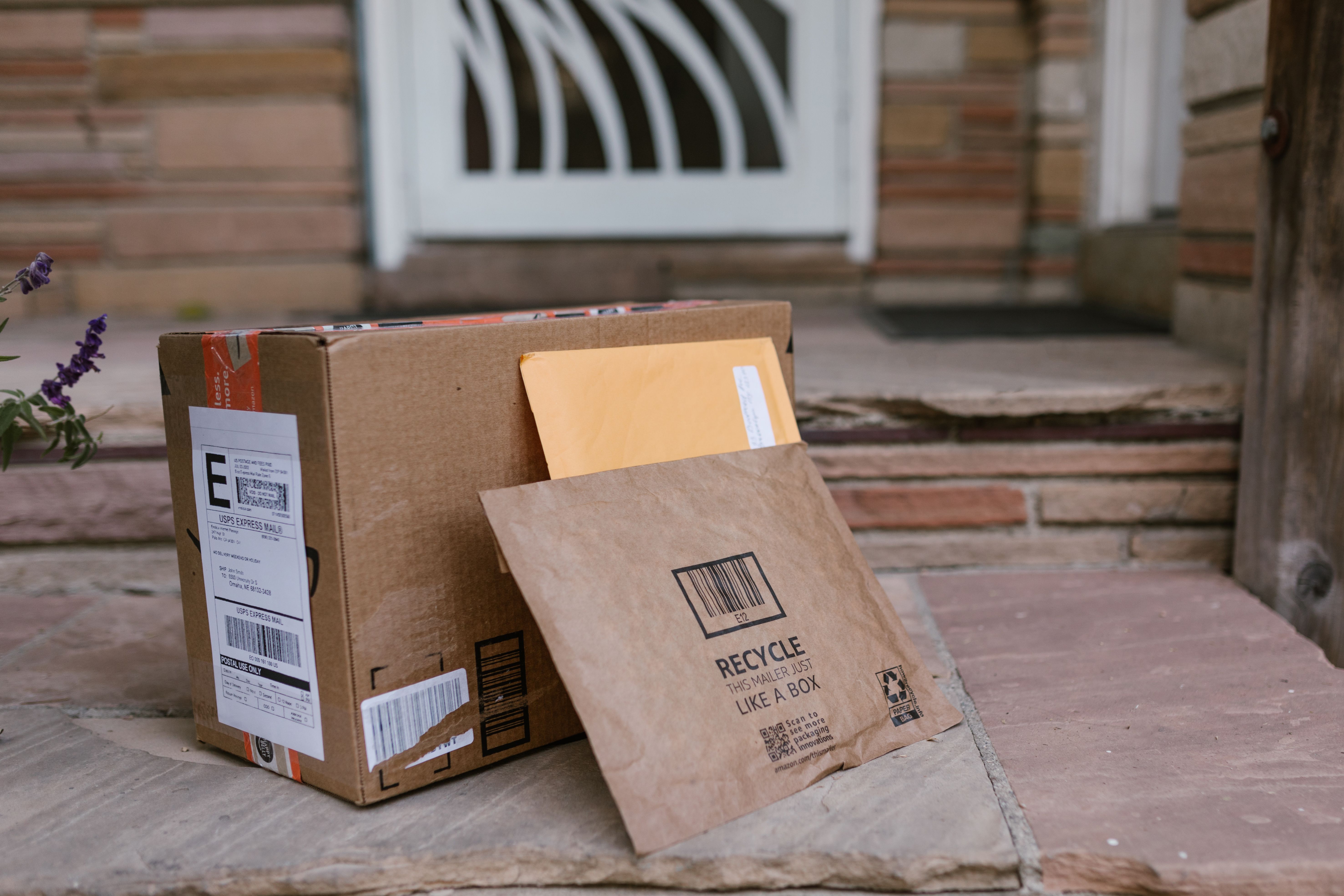

Since 1 July 2026, the EU has applied a temporary €3 customs duty to qualifying business-to-consumer goods in consignments worth no more than €150. The previous customs duty exemption has been removed, according to the European Commission’s official guidance.
For SMEs sending orders from Great Britain to EU customers, the change could affect pricing, product data, declarations and delivery arrangements. The charge is also not necessarily applied just once per parcel.
What has changed?
The duty applies to distance sales of imported goods, such as products bought online from a non-EU seller and delivered to an EU consumer.
It is scheduled to remain in place until 1 July 2028, when normal customs tariffs will begin to apply according to the product type. The European Commission says the change is intended to modernisecustoms procedures, improve product oversight and create fairer competition.
How is the €3 duty calculated?
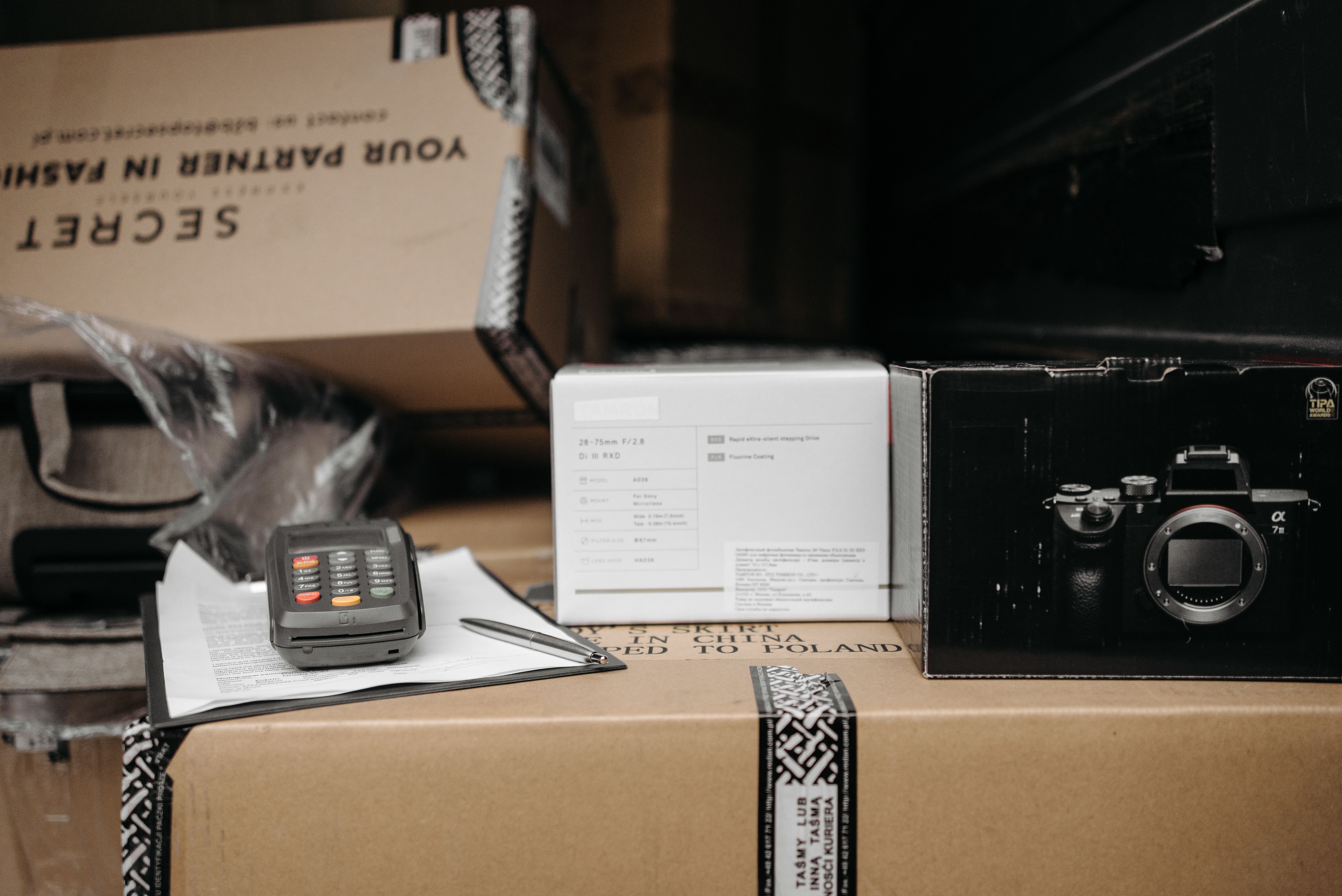
Although often described as a parcel charge, the duty applies per customs declaration item, based on tariff classification, rather than per individual product or parcel. In the European Commission’s example, five identical T-shirts attract one €3 duty, while T-shirts and a watch attract two charges, making the total €6.
Orders containing a wider mixture of products may therefore cost more than orders containing several units of the same product. Accurate commodity codes and descriptions are essential, as mistakes could cause incorrect charges or customs delays.
Who is responsible for paying?
The duty is primarily imposed on the business or customs declarant, not the consumer. The official EU guidance says this could be the seller, importer, IOSS holder, user of special arrangements or an indirect representative. Consumers should become declarants only in limited cases.
SMEs should ask their courier, postal operator, ecommerce platform or customs intermediary who will declare the goods, pay the duty and recover the cost. Do not assume an existing international service includes the charge.
Is the duty the same as VAT?
No. The €3 duty is separate from EU import VAT. The Import One-Stop Shop (IOSS) allows eligible sellers or marketplaces to collect VAT at checkout on consignments worth no more than €150. The temporary duty has not replaced IOSS, and affected goods remain subject to the charge regardless of the VAT scheme used.
Businesses using platforms such as Shopify should check their tax settings, customs integrations and delivery services rather than assuming VAT collection also settles the duty. SME Online’s guide to whether Shopify is the right choice for UK small businesses explains why payment options and apps matter when choosing an ecommerce platform.
What about a handling fee?
The €3 duty should not be confused with a proposed EU-wide handling fee intended to cover customs processing costs. Its final amount and implementation details have not been confirmed. Royal Mail’s European Trade Insights says the EU is currently aiming for November 2026, but businesses should monitor updates before adding an assumed figure to prices.
Carriers or individual member states may also apply their own administration charges, so businesses should check the current terms for each service and destination.

What changes on 1 November 2026?
From 1 November 2026, product identifiers become mandatory for goods covered by the distance-sales rules. They can be supplied voluntarily from 1 July. The European Commission’s guidance says the change is intended to improve traceability and safety checks.
According to Royal Mail, the structured references may include SKUs, listing IDs, catalogue numbers or manufacturer identifiers. SMEs should keep records consistent across their website, marketplace listings, stock system and shipping documents. SME Online’s guide to inventory management platforms for UK SMEs covers tools that can help organise product information across multiple channels.
Could the charge affect pricing?
For lower-priced products, a €3 duty can represent a meaningful percentage of the order. The impact may be greater when several classifications appear in one parcel or a carrier adds an administration fee.
Businesses need to decide whether to absorb the cost, increase prices, adjust delivery charges, set a minimum EU order value or restrict certain product combinations.
Customers should see a clear total cost before ordering. As SME Online has previously explained, pricing is one of marketing’s most vital principles. A cheaper headline price may not create a good customer experience if extra costs appear later.

What should SMEs do now?
- Identify orders worth €150 or less.
- Confirm who acts as the customs declarant.
- Ask carriers how the duty is collected and charged.
- Review commodity codes, descriptions, values and countries of origin.
- Prepare product identifiers before 1 November 2026.
- Check IOSS, marketplace and ecommerce settings.
- Recalculate margins and delivery prices.
- Update checkout, returns and delivery information.
Preferential tariff treatment may remain available for qualifying goods, but goods sent from the UK do not automatically qualify as UK-originating. HMRC guidance explains how to prove originating status and claim a reduced customs-duty rate.
The Department for Business and Trade advises traders to consult their express operator about sending low-value goods into the EU. Royal Mail has also published practical information for postal customers.
These points primarily concern goods sent from Great Britain. The Department for Business and Trade guidance says information on movements into Northern Ireland will be published in due course.
In short…
The EU’s €150 customs duty exemption has ended for affected ecommerce imports, and a temporary €3 duty now applies per declaration item rather than simply once per parcel.
UK SMEs should confirm responsibility for declarations and payment, review classifications, prepare product identifiers for November and make sure prices and delivery information reflect the true costof selling to EU customers.